
Dumpster Rentals in Oakland, CA
Mon - Fri: 8 am - 4 pm
Delivery Times: 7 am - 7 pm

Dumpster Rentals that Won't Break the Bank
We'll deliver a roll-off container to your Oakland worksite. Our transparent flat-rate pricing includes the delivery, pickup, and rental period costs, ensuring clarity on your upfront expenses. Prices typically range from $350 - $650 depending on the bin size you select.
With JCS, you're guaranteed:
- On-time deliveries and pickups
- Service tailored to fit your needs
- Experienced customer service
Service Area
Household & Construction Dumpsters
These roll-off dumpsters are versatile and suitable for a variety of household and commercial endeavors. Whether you're tackling home cleanouts, engaging in remodeling projects, or involved in general construction and demolition, these dumpsters are well-suited for the task at hand.

10 Yard Dumpster
- 50-70 Trash Bags
- Great for 1 room cleanouts
- Typically include a 1-2 ton (2,000-4,000 pounds) weight limit

20 Yard Dumpster
- 110-130 Trash Bags
- Great for larger cleanouts
- Typically include a 3-4 ton (6,000-8,000 pounds) weight limit

30 Yard Dumpster
- 170-190 Trash Bags
- Major home renovations
- Typically include a 4-5 ton (8,000-10,000 pounds) weight limit

40 Yard Dumpster
- 230-250 Trash Bags
- Complete home remodels
- Typically include a 5-6 ton (10,000-12,000 pounds) weight limit
 10 Yard Roll Off Dumpster
 10 Yard Roll Off Dumpster
Perfect for small projects, a 10-yard dumpster holds 10 cubic yards of material. That's about 3-5 pickup truck loads or 40-80 30-gallon bags and typically include a 1-2 ton (2,000-4,000 pounds) weight limit based on location and usage

 20 Yard Roll Off Dumpster
 30 Yard Roll Off Dumpster
 40 Yard Roll Off Dumpster
*Note: While dumpster dimensions may vary slightly, the volume remains accurate. Prices and availability are subject to change without prior notice. Capacity estimates are determined based on the volume equivalent to a 33-gallon trash bag.
Rent a Dumpster in Oakland to keep your project on track
Embrace the vibrant culture and outdoor adventures of Oakland, CA, and leave the hassle of junk removal to JCS Group. With golf courses, picturesque hiking trails, and year-round sun beckoning, we understand the importance of maximizing your time for the enjoyable things in life. When you choose us for dumpster rental, you'll experience a faster cleanup process, ensuring you have more moments for the things that matter.
At JCS Group, we start by recommending the perfect roll-off dumpster for your specific project and deliver it promptly within one to three business days. Whether you're renovating your art gallery in the eclectic neighborhoods around Temescal or decluttering student housing near the vibrant campus of the University of California, Berkeley, our containers are tailored to meet your needs. As you work on your project, conveniently fill up the dumpster, and when you're ready, request a pickup online. Let JCS Group enhance your Oakland experience by simplifying your cleanup efforts.
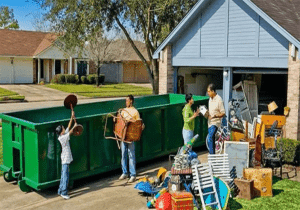
Why Choose JCS?
Our skilled team will align the perfect roll-off dumpster with your disposal requirements. Curious about the duration you can have your bin on-site? We provide flexible dumpster rental periods, and you also have the choice to extend your container's stay for a flat daily rate. With JCS Group, you have the support to successfully finish any local project, regardless of its duration.
What Materials Can You Put in Our Dumpsters?

Accepted Household Waste
- Residential Debris
- Rugs
- Flooring Materials
- Household Appliances
- Electronic Items
- Furnishings
- Fixtures
- Garden Debris
- Tree Stumps
- Gravel, Stone, and Rocks

Accepted Construction Debris
- Building Materials
- Lumber & Sheetrock
- Roofing Supplies
- Cement & Concrete Blocks
- Bricks
- Soil
- Aggregate Materials
Frequently Asked Questions
What is the best location to place a dumpster?
Locate a relatively flat area with a minimum of 3 feet of clearance around all sides of the dumpster. Confirm that there is at least 22 feet of clear overhead space and 34 feet of open space in front for efficient truck pickup. If using a paved driveway, it is recommended to either cover it or position wood beneath the dumpster to reduce the risk of potential damage.
How long can I rent a roll-off dumspter?
Our standard dumpster rental period ranges from 7 to 10 days. If you require the bin for an extended duration, please communicate with your representative, as we can customize the rental period to align with the specific needs of your project.
How Our Dumpster Rentals Work
1. Select a size and designate a delivery spot. Ensure there is a straight line of 60 feet and a vertical clearance of 23 feet.
2. Get ready for delivery. Clear the area of any vehicles, materials, or low-hanging obstacles to facilitate smooth dumpster delivery and avoid trip fees.
3. Load up your dumpster. Be mindful of the included weight limit to prevent incurring additional fees for exceeding the limit.
4. Schedule your pickup. For a seamless pickup process and to avoid trip fees, ensure your dumpster is accessible and contains only approved debris stacked below the sidewalls.
If you have any additional questions, give us a call today and let our expert team walk you through the rental process
